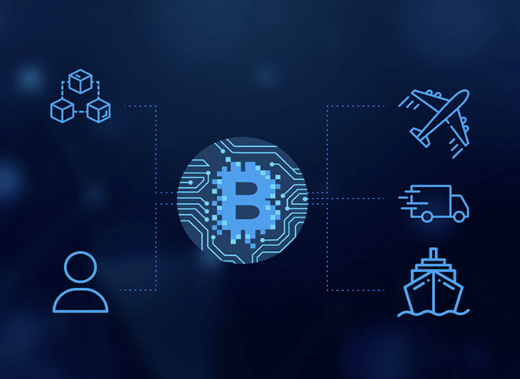

Blockchain technology is reshaping banking with secure, immutable ledgers that streamline settlement and reduce counterparty risk. Distributed ledgers enable near real-time cross-border payments and improved visibility, while smart contracts automate settlement, custody, and liquidity management. Privacy-preserving designs and interoperable standards support compliant, governance-driven operations. The result is transparent controls, enhanced customer experiences, and scalable, data-sovereign ecosystems. Yet the implications for risk, regulation, and operational цар require careful navigation as institutions advance.
How Blockchain Transforms Modern Banking
Blockchain technology redefines modern banking by enabling secure, immutable records of transactions and streamlined settlement processes.
The approach emphasizes traceable audits, reduced counterparty risk, and transparent governance.
Institutions monitor compliance evolution through modular controls and standardized APIs, while data sovereignty remains central to policy design.
This architecture supports scalable trust, enabling autonomous operations and strategic freedom within regulated markets.
Speeding Cross-Border Payments With Distributed Ledgers
Cross-border payments face friction from fragmented rails, liquidity fragmentation, and opaque settlement timelines. Distributed ledgers enable faster reconciliation across institutions, reducing intermediate counterparties and settlement risk. By tying value to tokenized representations, networks target fast settlement and real-time visibility, leveraging multi-jurisdictional data standards. This approach strengthens cross border rails while offering scalable, auditable, cost-efficient cross-currency settlement for global flows.
Smart Contracts for Settlement, Custody, and Liquidity
Smart contracts enable autonomous settlement, secure custody, and dynamic liquidity management by encoding agreement terms and operational rules into programmable logic. They automate post-trade workflows, reduce counterparty risk, and improve transparency across timelines.
Compliance frameworks guide deployment, auditing, and dispute handling, while privacy preserving smart contracts protect sensitive data.
Adoption hinges on interoperable standards, robust governance, and scalable infrastructure for liquidity optimization.
See also: How Blockchain Technology Improves Supply Chains
Balancing Risk, Compliance, and Customer Control in Crypto Banking
The approach emphasizes risk governance, transparent controls, and auditable processes to sustain trust.
Customer empowerment grows through clear disclosures, consent-driven data practices, and accessible interfaces.
Cross border workflows demand interoperable standards, while rigorous data privacy safeguards protect asset and identity integrity.
Conclusion
In the ledger of finance, blockchain is a harbor master guiding ships through foggy markets. It charts speed, slashes settlement lags, and flags risks with transparent beacons. Smart contracts act as trusted couriers, ensuring custody and liquidity without handshakes. Yet compliance remains the ballast, customer control the compass. As permissioned reefs rise and interoperable routes mature, banks transform from gatekeepers to guardians of data sovereignty, steering resilient, auditable, and scalable ecosystems for a new era of banking.


 By
By